X
Agriculture

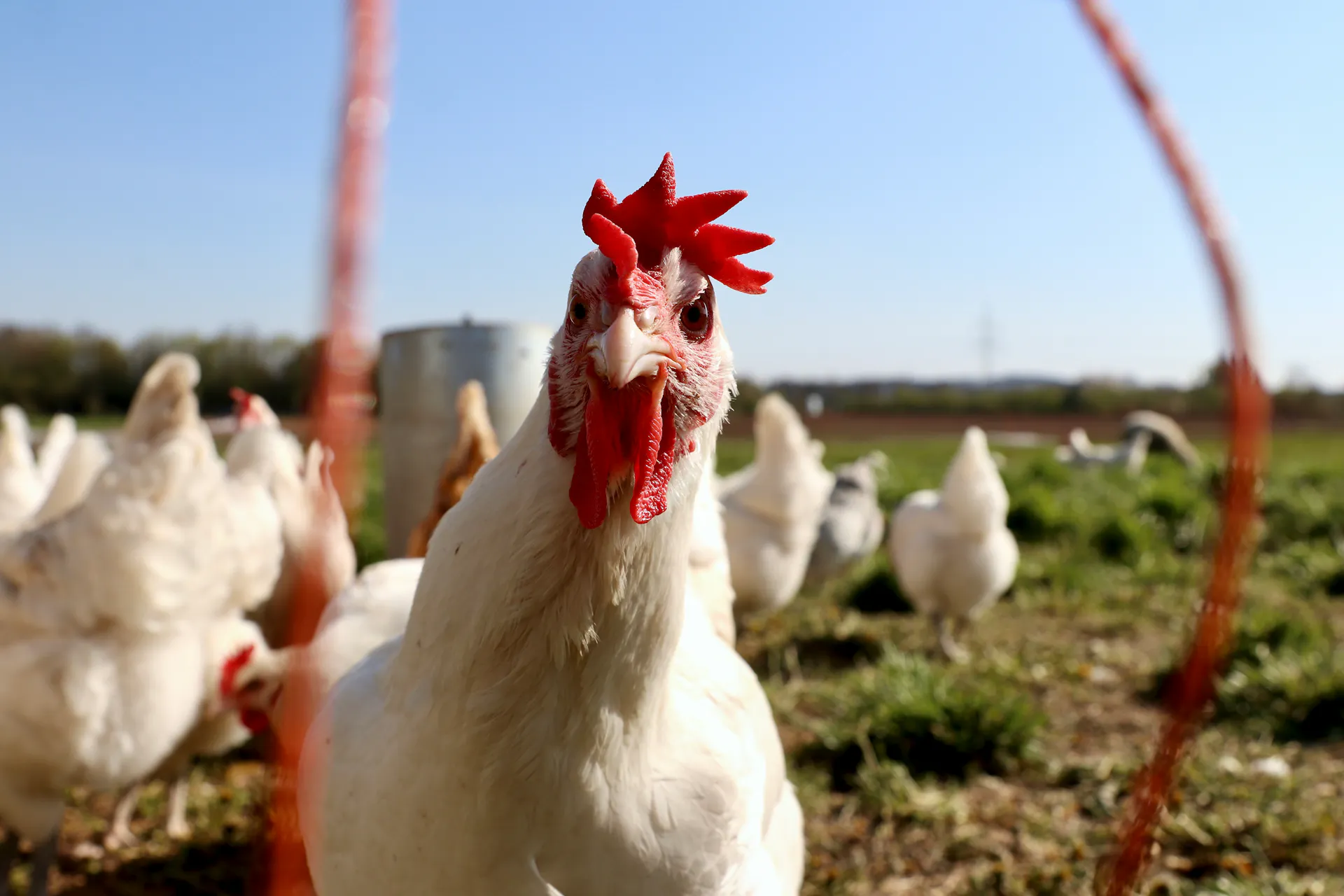
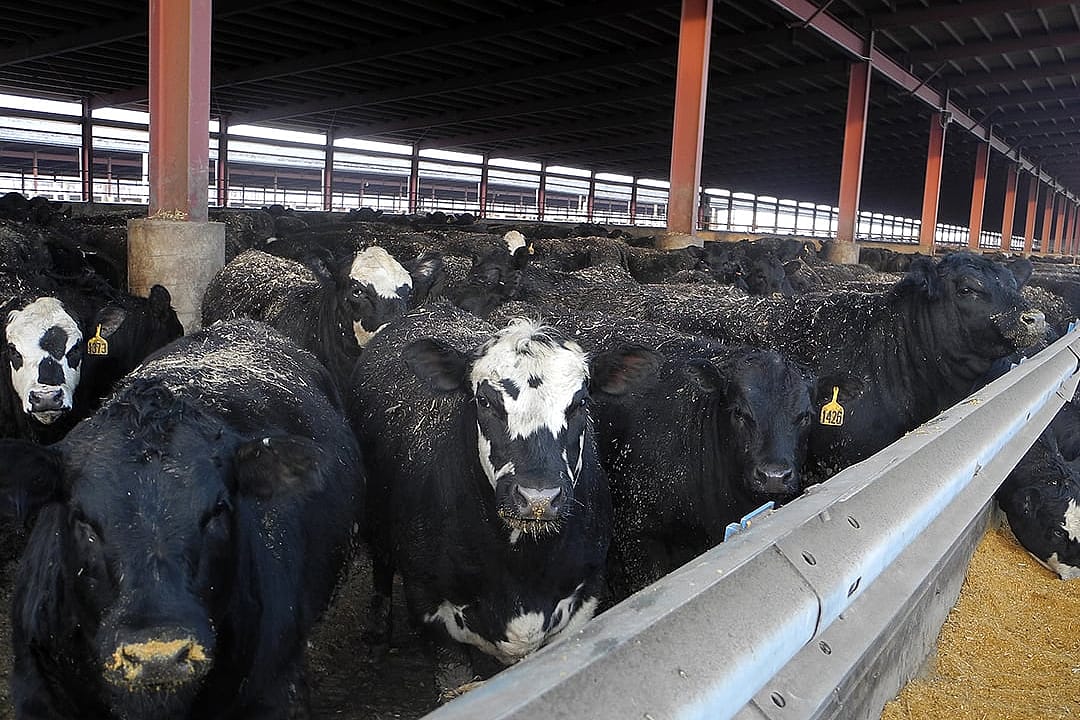
Why haven’t farm animals evolved against humans? A biologist explains why there won’t be a chicken uprising anytime soon

From domesticated foxes to tuskless elephants, humans have directly and indirectly influenced the evolution of a wide range of animals.
Alida de Flamingh, University of Tennessee, The Conversation
Friday, October 23

Inside Big Beef’s ‘90s campaign to rewrite its climate story

Sentient reports that the beef industry's lobbying group in the '90s downplayed its climate impact and spread misinformation about livestock methane emissions, despite knowing the truth.
Seth Millstein for Sentient
Friday, October 30

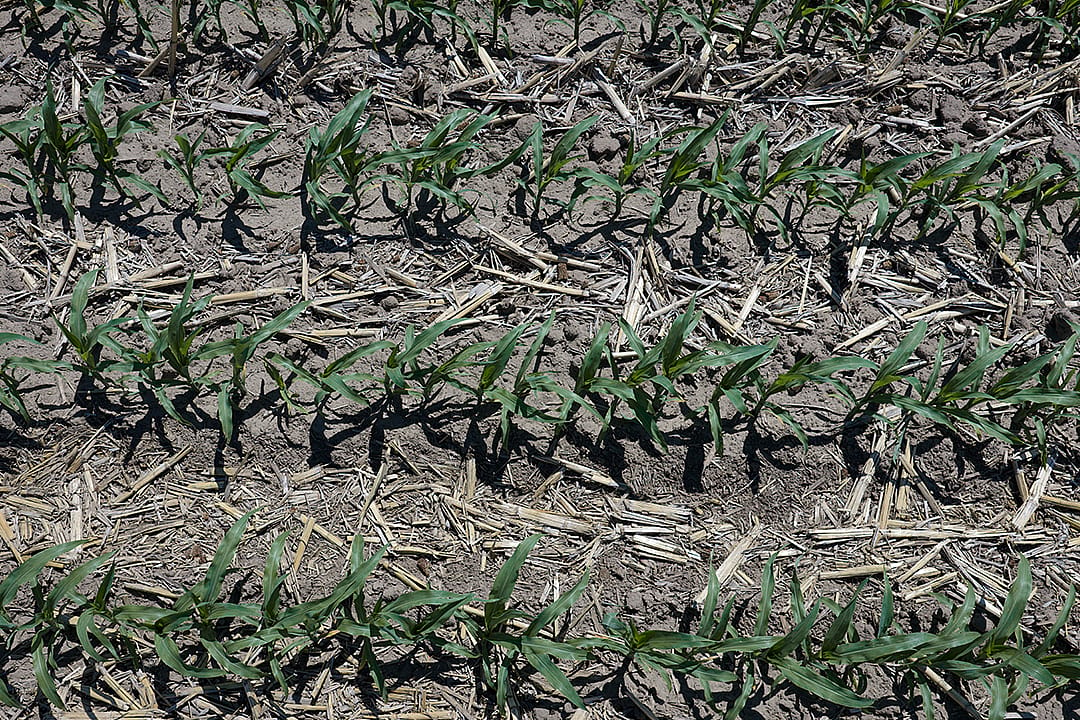
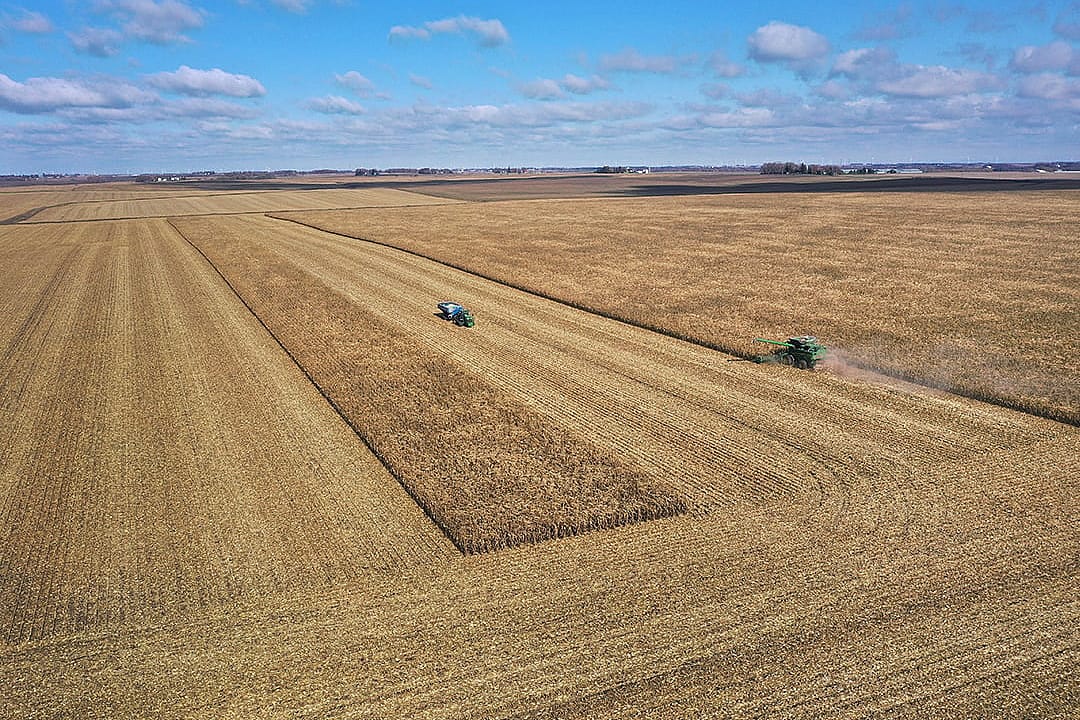
Three corn and soy farmers challenge the industry that raised them

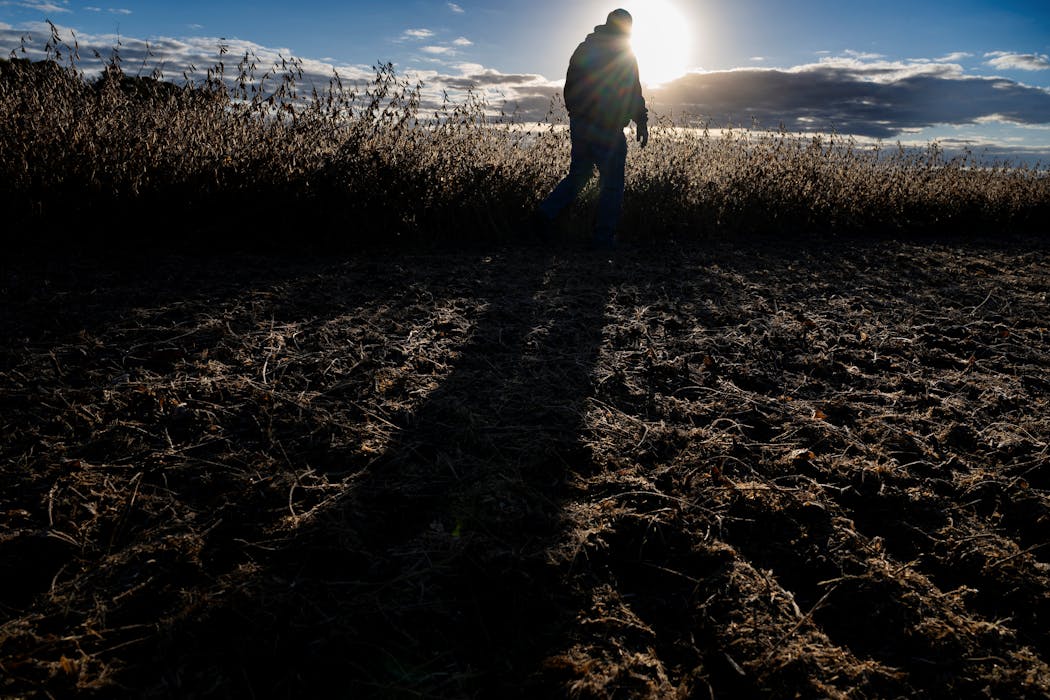
Atmos reports three Iowa farmers, known as the Lobe Rangers, advocate for sustainable practices in agriculture to address soil erosion and water pollution issues. 
Katie Hill for Atmos
Friday, October 16

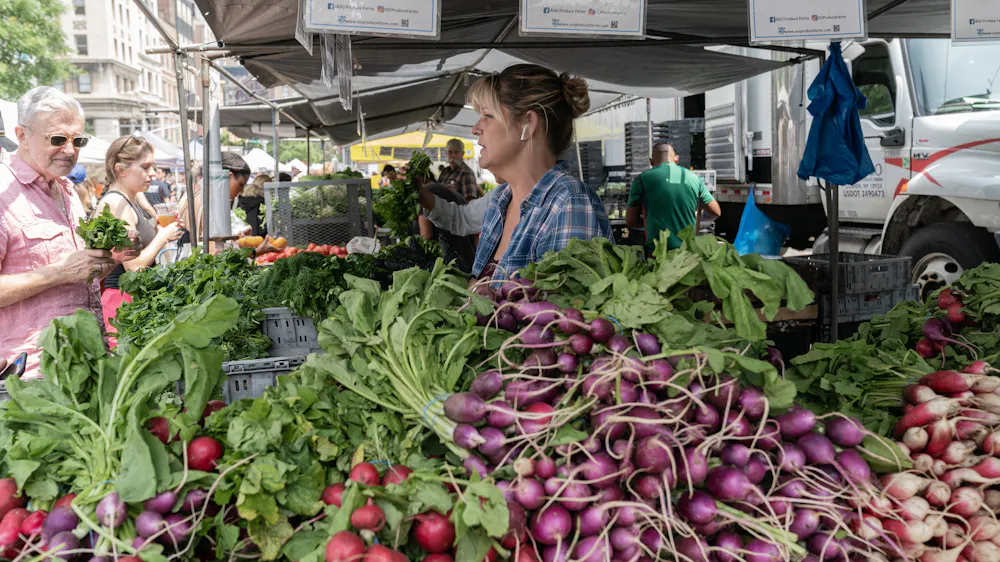
Who shops at farmers markets in the US?

Only about 1 in 5 of the Americans surveyed shop at farmers markets because they care a lot about food and enjoy buying, preparing and eating fresh food.
Bret R. Shaw, University of Wisconsin-Madison, The Conversation
Monday, June 15
Agriculture news from Around the Nation
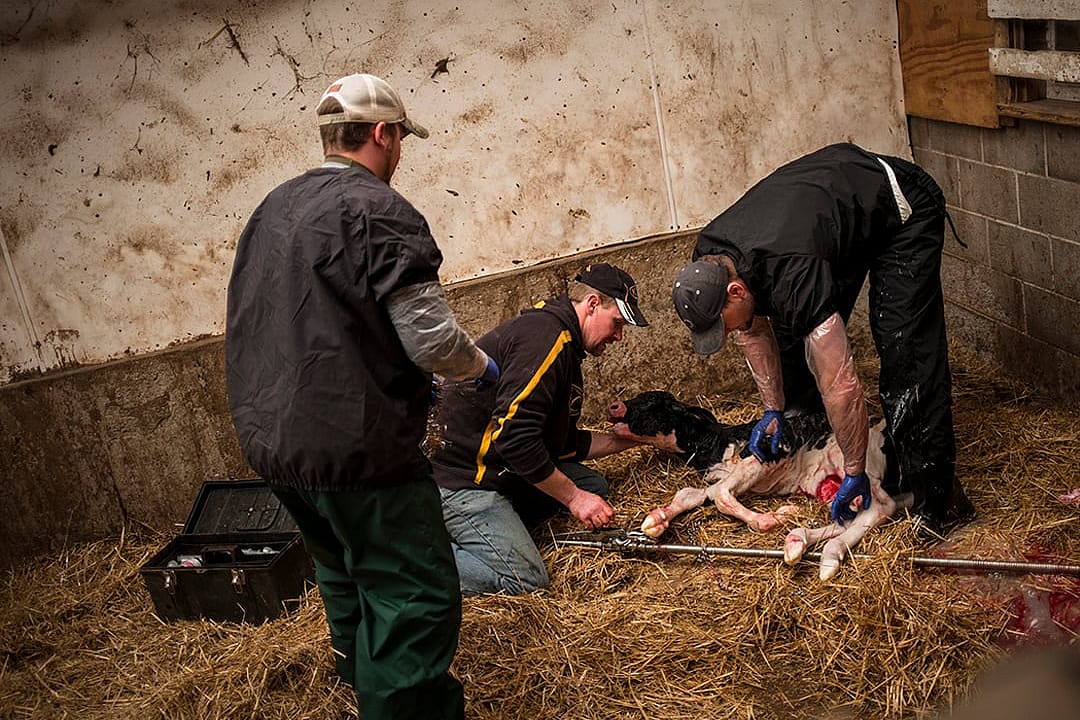
Too few vets, too many animals: Inside the farm veterinarian shortage
Sentient reports a U.S. farm veterinarian shortage, risking animal welfare and food safety as fewer graduates choose farm work due to poor pay and conditions.
Jessica Scott-Reid for Sentient
Friday, October 9
What 1,000 Iowans have to say about the impact of factory farming
Sentient reports on Iowans' mixed feelings about factory farms, highlighting water quality concerns and economic benefits, revealing a pivotal moment for change.
Melina Walling for Sentient
Friday, October 2
As family farms decline and the climate heats up, farmers weigh what to do with their land
Grist reports that as family farms decline and climate change impacts agriculture, farmers like John Boyer are grappling with land preservation amid rising pressures.
Vivian La for Grist
Thursday, October 1
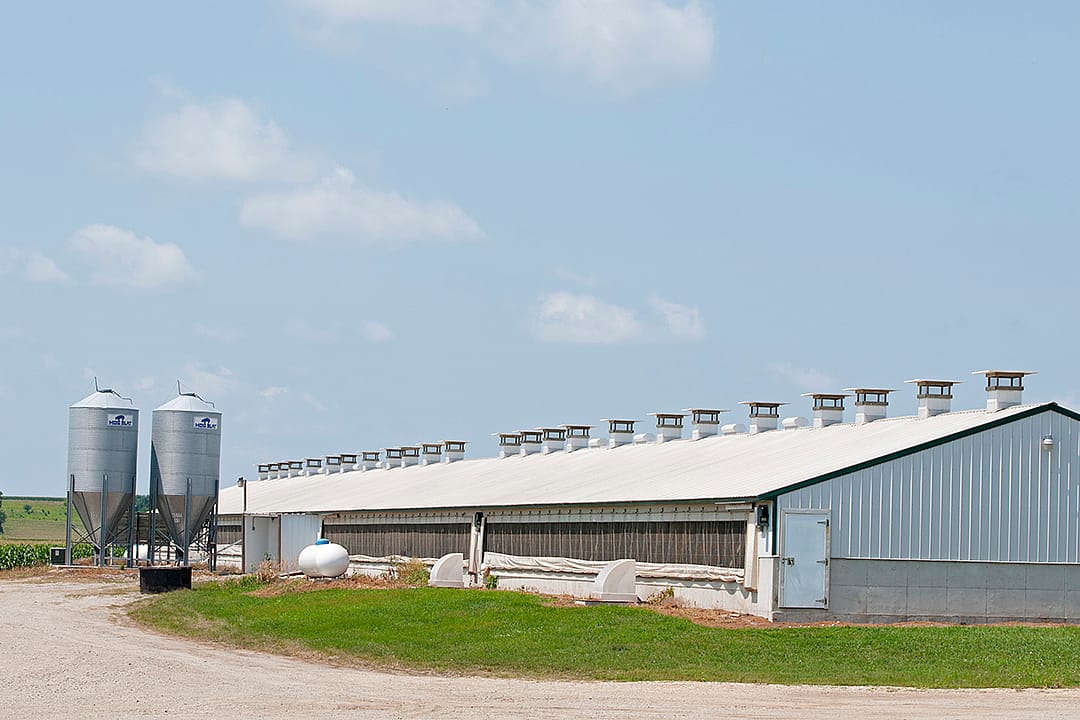
What data on 11K farms reveals about the country’s factory farm hotbed
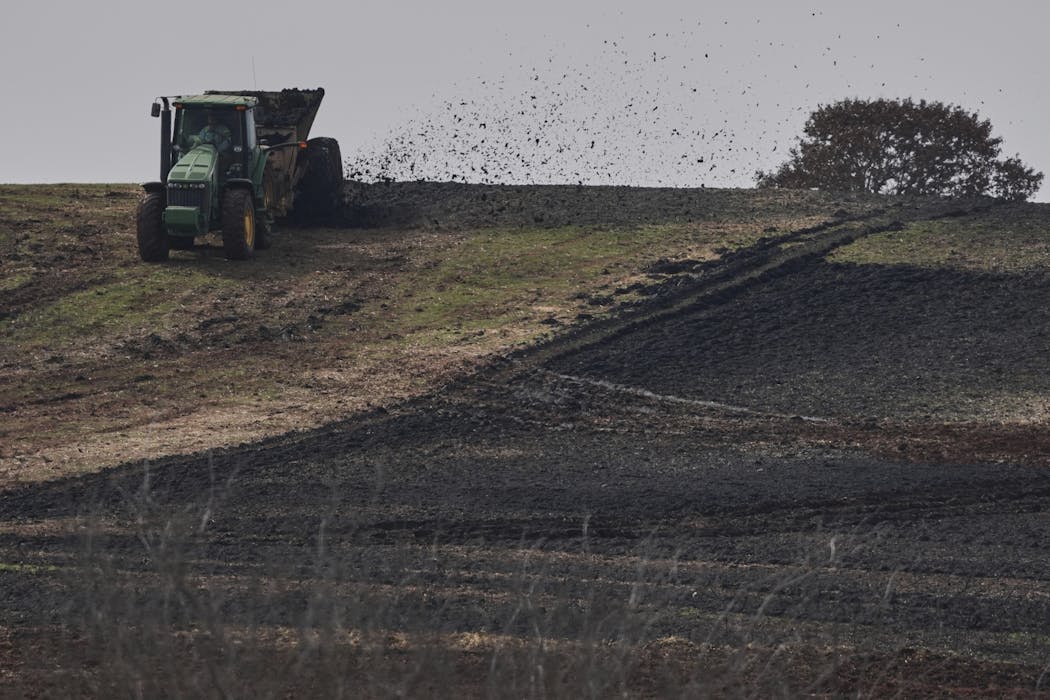
Sentient Media reports Iowa has the most factory farms, producing 170 billion pounds of manure annually, leading to severe water pollution and health risks, including cancer.
John McCracken for Sentient Media
Monday, September 28
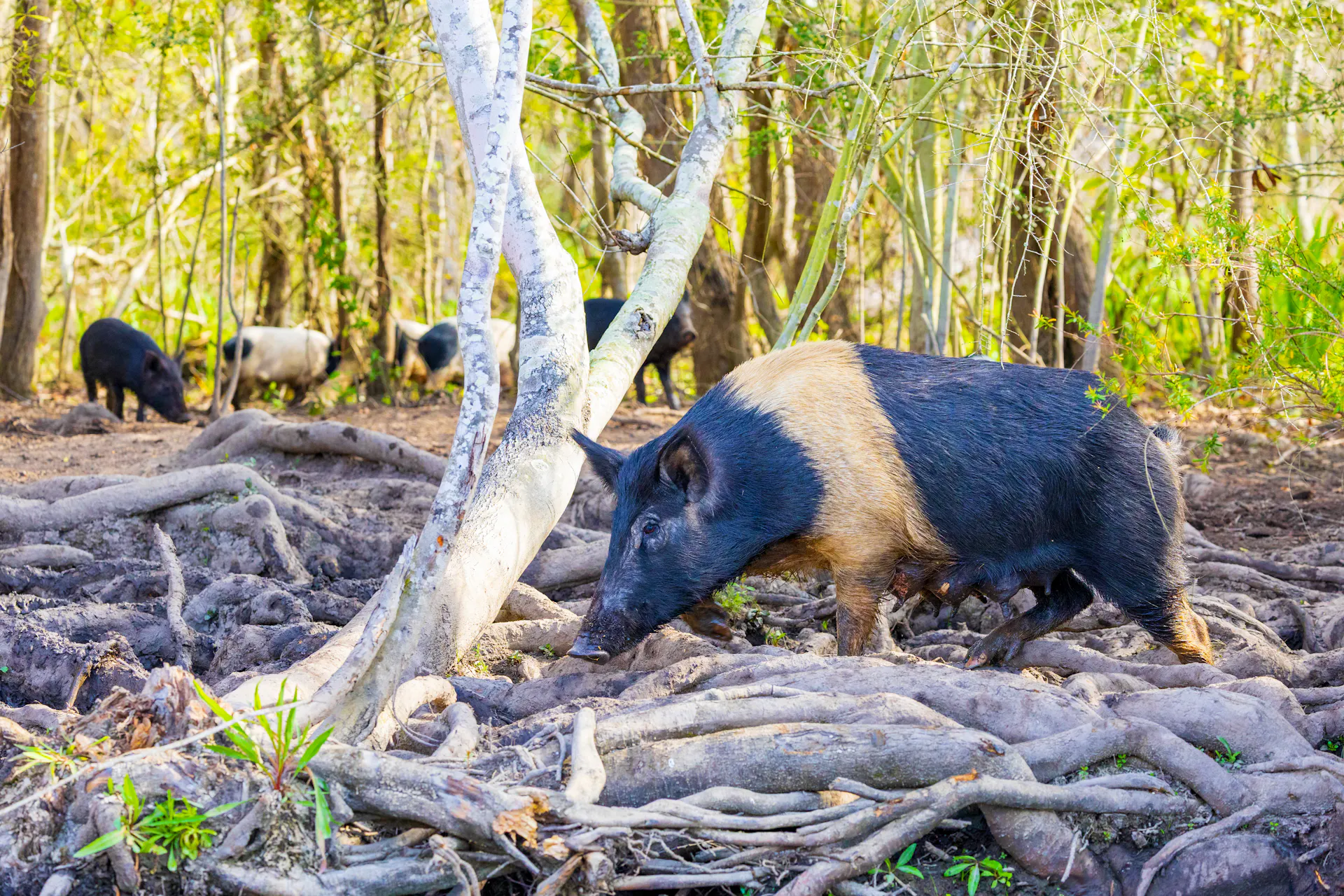
Controlling wild pigs can work if it’s a group effort
Teaming groups of private landowners with federal efforts yielded measurable success, at least in terms of defending cornfields.
Chris Boyer, University of Tennessee; Aaron Smith, University of Tennessee, and Eunchun Park, University of Arkansas, The Conversation
Thursday, August 13
Why too much phosphorus in America’s farmland is polluting the country’s water
Plants need phosphorus, and other nutrients, to grow. But soil tests can’t tell if there’s too much.
Dinesh Phuyal, University of Florida, The Conversation
Monday, January 26
American farmers, who once fed the world, face a volatile global market with diminishing federal backing
The US government used to have American farmers’ backs, but that support has been dwindling for decades. New subsidies signal big changes for farmers.
Peter Simons, Hamilton College, The Conversation
Friday, January 16
‘Ask for help’ mental health resources and stress management tips for farmers
Communication with loved ones, neighbors and mental health professionals can be a key piece of addressing the stressors and mental health issues that affect farmers at higher rates than other professions.  According to the National Rural Health Association, suicide rates are “significantly higher” in rural areas than in urban areas and farmers die by suicide […]
Cami Koons
Saturday, January 3
Genomics can help insect farmers avoid pitfalls of domestication
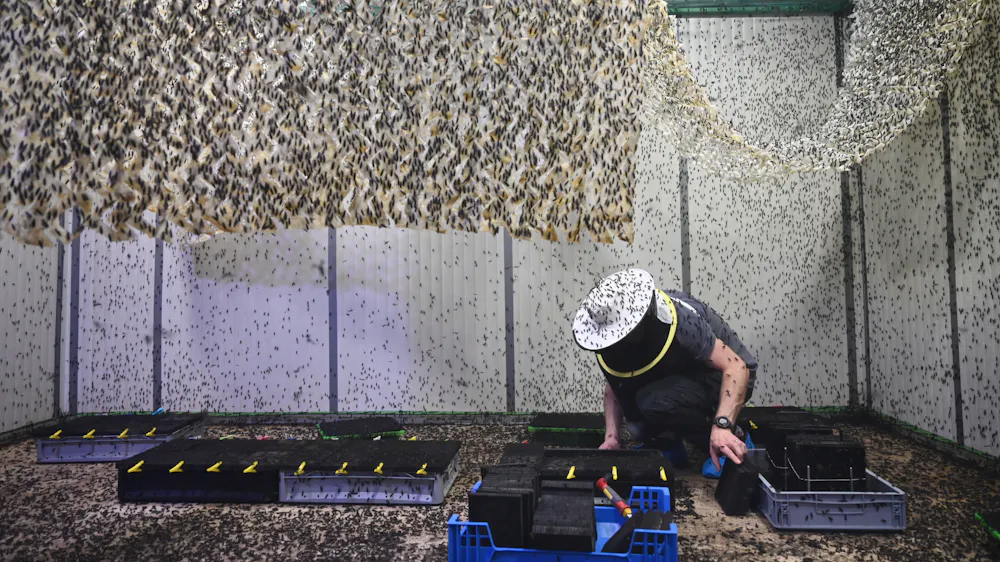
Considering how easily bird flu swept through chicken farms, it’s clear that domestication has downsides. Lessons from the past paired with modern genomic technology can help with farming insects.
Christine Picard, Indiana University and Hector Rosche-Flores, Indiana University, The Conversation
Friday, August 15, 2025
California farmers identify a hot new cash crop: Solar power
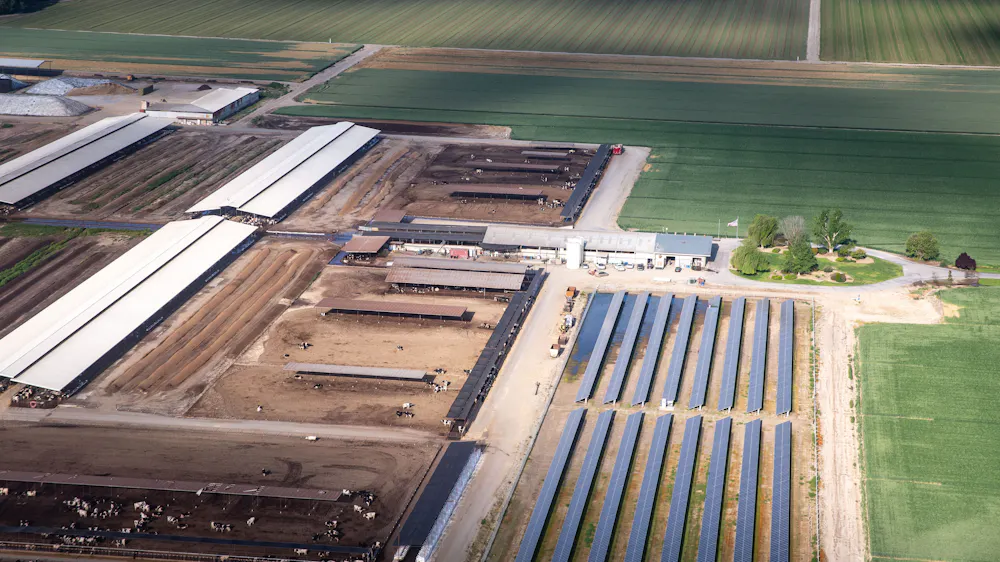
Solar is helping farmers in California save water and secure reliable income in the face of drought and economic pressure.
Jacob Stid, Michigan State University; Annick Anctil, Michigan State University, and Anthony Kendall, Michigan State University, The Conversation
Tuesday, July 22, 2025
Environmental News from around the web
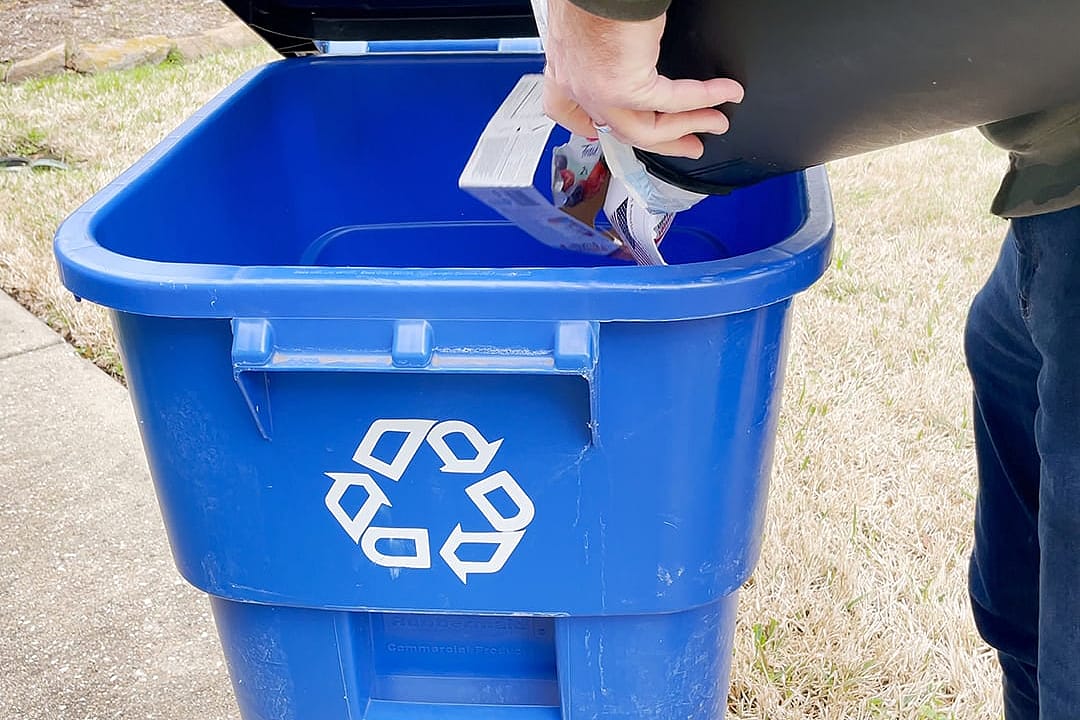
How to recycle right: Survey shows what consumers want to know
WM reports that 75% of Americans recycle, but many lack clarity on proper recycling practices. 
Brent Bell for WM
4 days ago
Redeeming a river in Kingwood, West Virginia
Atmos reports on the transformation of Kingwood, West Virginia's Cheat River, once polluted by acid mine drainage, now thriving thanks to community efforts.
Katie Hill for Atmos
4 days ago
The fishing industry is changing fish DNA
Sentient reports that commercial fishing is altering fish DNA, reducing genetic diversity and resilience, and influencing future evolution through epigenetics.
Claudia Steiner for Sentient
4 days ago
Is your home ready for winter? How to be prepared for unexpected outages
(BPT) - When winter power outages hit, older adults face the highest risk. They rely on electricity to power their homes, including everything they need to help keep them safe, healthy and …
5 days ago
The hidden mining cost of meat and seafood
Sentient reports that the environmental costs of meat and seafood extend beyond feed crops to the minerals mined for animal diets, impacting biodiversity and emissions. 
Emily Payne for Sentient
Thursday, November 5