Sunday, November 1, 2026 | St. Lawrence County, NY
OGDENSBURG – Ogdensburg will hold a hearing on a proposal to allow the city exceed the state property tax levy cap, but councilors clarified that it’s a precautionary measure they don’t expect …
This item is available in full to subscribers.
To continue reading, you will need to either log in to your subscriber account, or purchase a new subscription.
If you are a digital subscriber with an active, online-only subscription then you already have an account here. Just reset your password if you've not yet logged in to your account on this new site.
Otherwise, click here to view your options for subscribing.
Please log in to continue |
 BY JIMMY LAWTONNorth Country This Week
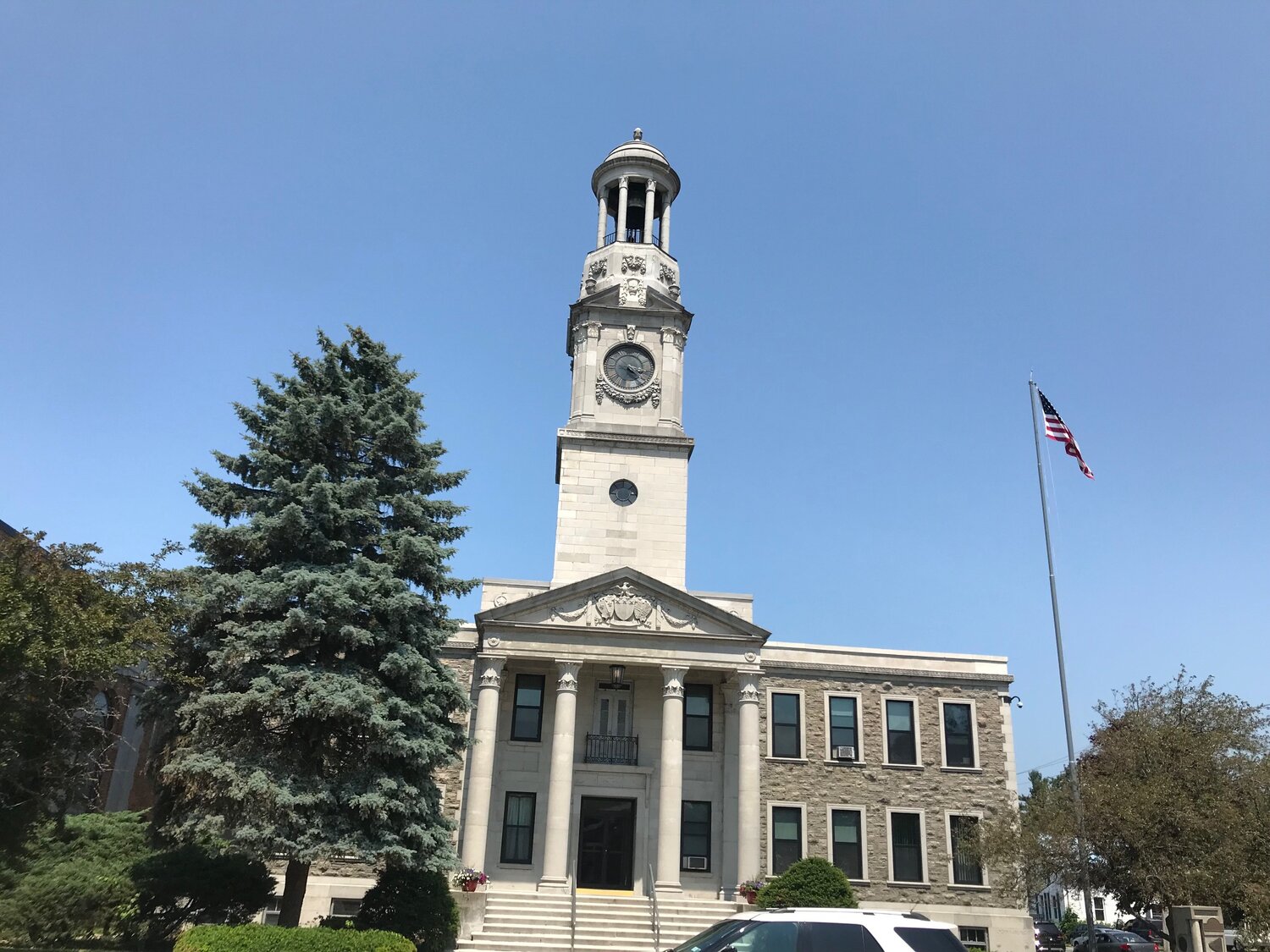
OGDENSBURG – Ogdensburg will hold a hearing on a proposal to allow the city exceed the state property tax levy cap, but councilors clarified that it’s a precautionary measure they don’t expect to need.
The resolution calls for public hearing at 6 p.m. on Sept. 28 at City Hall. The city will need to pass the measure fulfilling the hearing before it will take effect.
Deputy Mayor Jennifer Stevenson and City Manager Fonda Chronis explained the measure during a recent council discussion, saying the proposed local law would simply authorize a public hearing on potentially exceeding the tax cap.
“This is procedural in nature and this simply calls for the public hearing,” Chronis said. “There’s no actual levy increase involved here.”
Under state requirements, municipalities that want to increase their property tax levy beyond the allowable tax cap must adopt a local law, which requires a public hearing. While few municipalities actually exceed the cap during their budgets, the majority of local municipalities do pass the resolution to account for emergency circumstances.
Councilor James LaFave asked whether the city takes the same step every year.
“We haven’t done it since I’ve been here, but it’s common practice to do it,” Chronis said.
Stevenson said the city has taken similar action in most years, describing it as a precaution to ensure the municipality does not inadvertently run afoul of the tax-cap requirements.
When the state tax-cap law was enacted in 2012, Stevenson said, she was serving on the council and was told municipalities should take the procedural step even if they had no intention of exceeding the cap.
“If we didn’t do this and then an audit was done and it was found that we had something mis-scheduled or something, then we could be in violation,” Stevenson said.
She characterized the measure as a way for the city to “cover all our bases just in case,” emphasizing that it does not commit the city to exceeding the cap.
Chronis offered a similar explanation, citing a previous municipality where he worked. In that case, he said, the governing body had not passed the necessary local law and a calculation error later resulted in a problem.
“If you make a mistake, the amount of the mistake has to be withheld from the levy the following year,” Chronis said. “So this is always good practice to make sure that you kind of cover your corners.”
Councilor John Tebo then sought to clarify the point, noting concerns that residents could interpret the measure as an indication that taxes were about to increase.
He wanted to make sure that the public knows that passing the resolution isn’t an indication that the council intends to exceed the cap.
We’re glad you read this article reported by the staff of NorthCountryNow.com.
If you haven’t done so already, please consider subscribing to ensure you have full access to all the news and info about St. Lawrence County.
Your subscriptions make it possible for us to provide trustworthy local news, promote our many community events, and encourage community dialogue.