Monday, October 26, 2026 | St. Lawrence County, NY
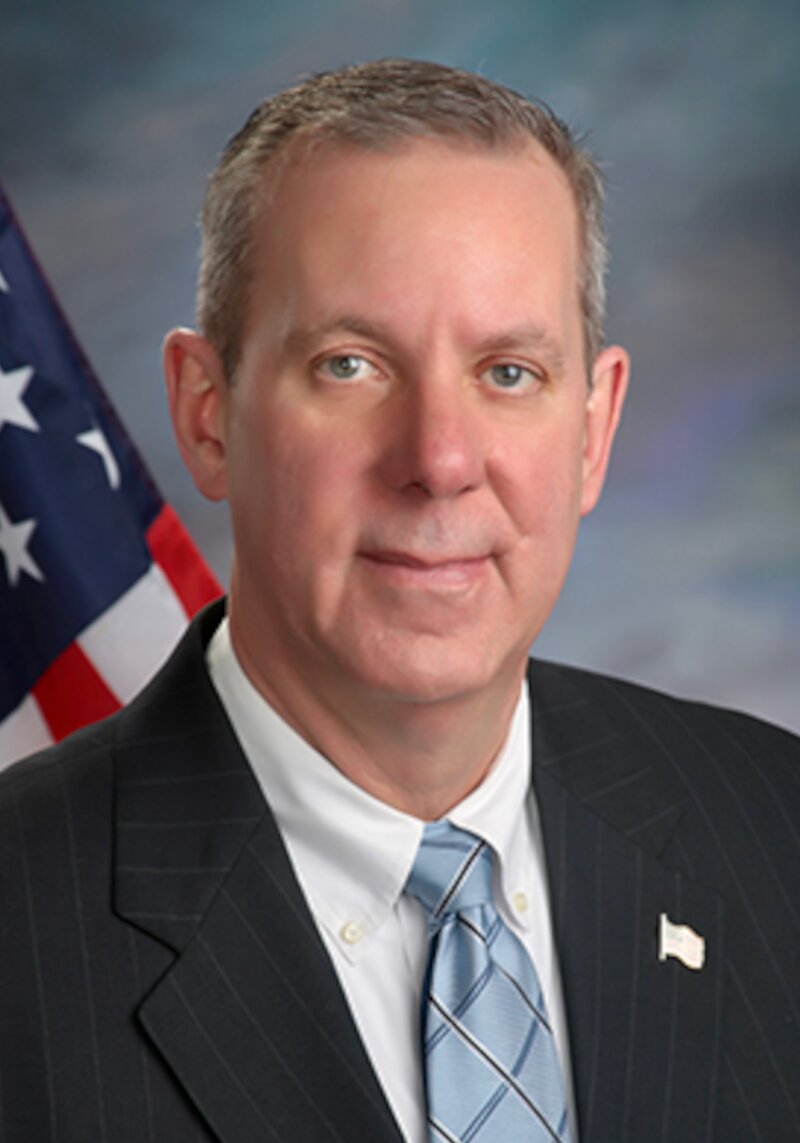
Data centers have been proposed all throughout the North Country, something Assemblyman Scott Gray said local municipalities should have sole authority to approve or deny.
In a press …
This item is available in full to subscribers.
To continue reading, you will need to either log in to your subscriber account, or purchase a new subscription.
If you are a digital subscriber with an active, online-only subscription then you already have an account here. Just reset your password if you've not yet logged in to your account on this new site.
Otherwise, click here to view your options for subscribing.
Please log in to continue |
 BY JEFF CHUDZINSKINorth Country This Week
Data centers have been proposed all throughout the North Country, something Assemblyman Scott Gray said local municipalities should have sole authority to approve or deny.
In a press release issued June 11, Gray called for a veto of legislation that would place a one-year moratorium on data center development.
The release was met with frustrations and anger from many constituents who oppose data centers.
But in a release on June 12, Gray said his call to veto that legislation has been "mischaracterized" and should not be viewed as "advocacy for data centers."
Gray called for a veto of A11560, a bill currently sitting on Governor Kathy Hochul's desk for final approval, for a number of reasons, he said.
The Assemblyman said it's a matter of Albany overstepping local authority without providing proper oversight of development and not providing the proper regulatory framework for local authorities to base decisions on.
"I am not advocating for or against data centers. That is not my decision to make, and frankly, it is not Albany’s decision to make either. Whether a data center belongs in Massena, in Watertown, or anywhere else in the North Country is a local decision. Local governments, through their zoning, planning boards, and public hearings, are the appropriate forum to weigh whether the construction jobs, the electrical trades work, and the local revenue are worth it for their community. Some communities will say yes. Some will say no. Both answers deserve respect, and I will respect whichever answer a community reaches," Gray said.
Zoning and code regulations largely do not regulate data centers anywhere throughout the state, a matter many municipalities, including Massena, are currently struggling with.
In response, some municipalities are taking up moratoriums throughout the state to slow developments while they work on those regulations.
Others have proposed outright bans.
At the county level, legislators called for municipalities to take action and address code and zone issues.
Though many residents attended the Full Board meeting earlier this month to call for an outright ban, legislators said that was a legal overstep. Instead, they opted for advocacy with the state while offering full support to municipalities grappling with regulatory issues.
Gray said at the state level more work needs to be done on that front as well.
"The state’s proper role is to provide a strong regulatory framework that addresses the legitimate concerns residents have raised, and I share those concerns. That means real standards on water consumption and discharge, protections so that ratepayers are not left covering the energy costs these facilities create, proper setbacks, and noise and environmental safeguards. Those protections should apply statewide so that no community, large or small, is left to negotiate them alone against a sophisticated developer," Gray said.
While New York has notoriously placed unfunded mandates on counties that inveitably cost local taxpayers millions of dollars each year, Gray said this is one instance when New York needs to take a step back and allow local governments to govern their futures.
"My objection to A11560 was that a blanket statewide moratorium takes the decision away from the very communities that have to live with the outcome, in both directions. It overrides the community that wants to say no on its own terms just as much as the one that wants to say yes. I have studied this legislation extensively and happy to discuss it with anyone," he said.
Currently, the Public Service Commission (PSC) is conducting a comprehensive study of data centers, including factors such as energy demand, ratepayer impacts, water use and siting issues, Gray said.
That report is due in February 2027.
"It makes little sense to impose a statewide freeze before the state’s own experts have finished the work that should inform any permanent framework," Gray said.
Gray said he takes the concerns raised by residents in Massena "very seriously" and continues to receive information from them as the situation evolves.
"Water quality, energy costs, and the health of the community are exactly the issues a proper regulatory framework must address, and exactly the issues I will keep pressing in Albany. I welcome the continued conversation," he said.